
Why Ready-To-Eat Foods Are Becoming a Staple in American Homes
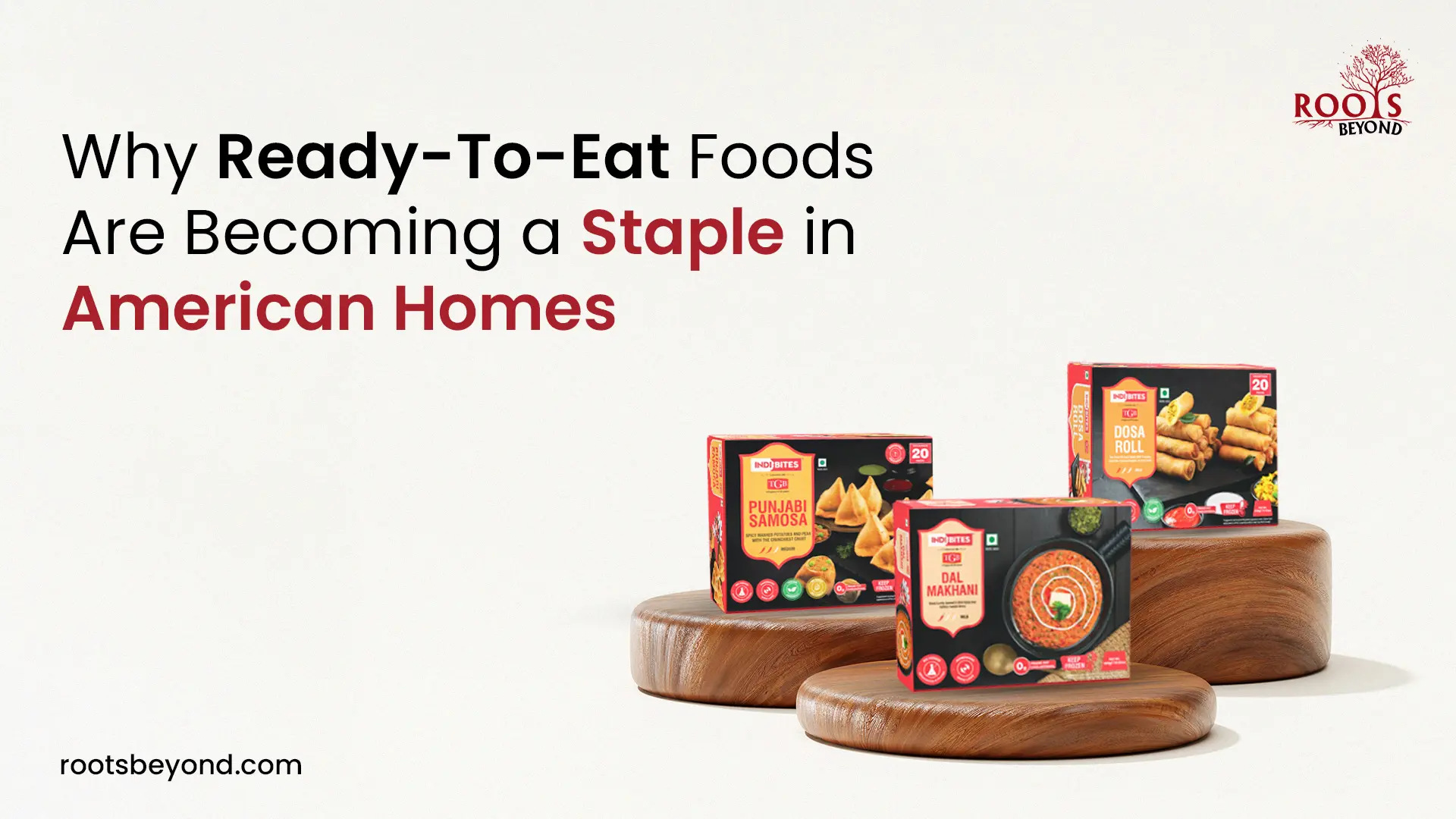
Ready-to-eat (RTE) meals have come a long way from being “just a backup option.” Today, they are a mainstream choice in busy American households, and Indian RTE foods are leading the trend. With rich flavours, better-quality ingredients, modern freezing technology, and increasing familiarity with Indian cuisine, these meals offer a comforting blend of convenience and authenticity.
The Growing Demand for Ready-to-Eat Foods in the USA
America’s appetite for convenience foods is at an all-time high. According to Statista, over 128 million Americans consume frozen meals regularly, making frozen and Ready-to-eat foods one of the fastest-growing grocery categories. The Food Marketing Institute also reports that over 80% of U.S. consumers buy frozen foods at least once a month, reflecting long-term adoption, not a short-lived trend.
Why this massive surge?
As American lifestyles are changing, more households have dual-working adults, hybrid schedules, irregular work hours, and increased childcare responsibilities. Ready-to-Eat meals solve a real problem: how to eat well when time is short.
For many, these foods are no longer “emergency meals”; they are planned, practical, and reliable.
Reasons Busy American Households Prefer Indian Quick Meal Options
While all Ready To Eat categories are growing, Indian ready-to-eat foods in the USA stand out for several reasons:
1. Bold, diverse flavours
Indian cuisine is naturally rich in taste; no need for artificial flavouring. From creamy dals to spiced pulao, each dish delivers a complete, satisfying meal.
2. Flexibility for mixed-diet households
Vegetarian, vegan, gluten-free, or high-protein, Indian cuisine fits all dietary patterns, making it a safe and inclusive choice for families.
3. Quick prep time
Most Indian ready-to-eat foods take under 5–7 minutes to prepare. For time-crunched parents, professionals, and students, this is a lifesaver.
4. Affordable compared to takeout
A single frozen Indian entrée costs a fraction of restaurant delivery. As inflation pushes Americans to reduce dining-out expenses, RTE meals provide comfort food with minimal cost.
Why Indian Ready-to-Eat Meals Are Becoming More Popular
The rise of Indian food in America is not sudden. It reflects years of cultural blending, food blogging, social media exposure, and global travel. But recent years have accelerated this shift:
1. Indian food is now mainstream
Indian cuisine ranks among the top global cuisines, gaining popularity in the U.S., especially in metros like New York, Seattle, Dallas, and San Francisco.
2. Quality has drastically improved
Premium brands now use slow-cooking, retort sterilization, and flash freezing to maintain authentic taste and texture.
3. Nostalgia for the Indian diaspora
For Indian families living in the USA, these meals provide comfort and familiarity, especially when work schedules leave little room for cooking.
4. Millennials & Gen Z love global flavours
They actively seek out world cuisines, and Indian meals offer complexity and depth that many find exciting.
Popular Indian Ready-to-Eat Snacks and Meals in the USA
Indian ready-to-cook and ready-to-eat foods now cover all cravings, from snacks to full meals. Some best-sellers in American homes include:
- Samosas & mini cocktail samosas
- Aloo tikki & vegetable cutlets
- Paneer curry meals
- Dal makhani, tadka dal, rajma chawal
- Masala dosa kits
- Ready-to-cook snacks like vada, idli, and uttapam
- Frozen Indian meals USA, such as biryanis, naan combos, and thali-style plates
These foods are not only convenient but also pair beautifully with items bought through Indian spices online USA, allowing families to upgrade meals with fresh garnishes or quick sides.
How Frozen Technology Improves Ready-to-Eat Quality
The real hero behind RTE food’s transformation is modern freezing and packaging technology.
1. Flash freezing locks in nutrition
The USDA confirms that frozen foods preserve nutrients as effectively as fresh produce, and sometimes better, because vitamins are locked in at peak freshness.
2. Retort packaging keeps food shelf-stable
This sterilization technique removes microbes without losing flavour, allowing Indian ready-to-eat meals to taste home-cooked and remain safe without preservatives.
3. Texture and aroma retention
Advanced freezing prevents ice crystal damage, maintaining the softness of paneer, fluffiness of rice, and freshness of masalas.
These innovations make convenience foods feel less like “compromise meals” and more like trusted pantry staples.
Health and Cost Benefits of Ready-to-Eat Foods
Today’s consumers are more health-conscious and budget-sensitive than ever. Indian RTE meals meet both needs.
Health Benefits
- Portion-controlled servings prevent overeating.
- Stable nutrient retention thanks to freezing.
- Many meals use lentils, vegetables, and lean proteins, supporting a balanced diet.
- No need for heavy oils or frying at home.
Cost Benefits
- RTE meals cost 70–80% less than Indian takeout.
- They reduce food waste, a major expense in American households.
- Buying ready-to-eat meals alongside pantry staples enables weekly meal planning with predictable budgets.
The Future of Indian Ready-to-Eat Foods in American Homes
The RTE food trend shows no signs of slowing down. With Indian food steadily rising in popularity, industry analysts expect strong year-over-year growth in frozen Indian entrées, snacks, and instant meals.
Key growth drivers include:
- Expansion of Indian brands in mainstream retail stores
- Increasing cultural familiarity due to immigration patterns
- Rising demand for high-flavour but low-effort meals
- Greater acceptance of global cuisines by American millennials
In the coming years, Indian frozen meals and instant meals will likely become as common as pasta sauces or microwave burritos, simple, affordable, and always dependable.
Conclusion
Ready-to-eat foods are no longer “just quick fixes.” For many American families, they are a practical solution that keeps life running smoothly. Indian RTE foods, in particular, offer an unmatched combination of convenience, nutrition, and vibrant flavour, making them a natural fit for busy households across the USA.
As technology improves and global tastes evolve, expect to see Indian ready-to-eat meals become an everyday favourite in American kitchens.
Ready to bring authentic Indian flavours to your home? Explore delicious, wholesome RTE meals at Roots Beyond today!
FAQs
What percentage of Americans eat frozen food?
According to Statista, over 128 million Americans consume frozen meals regularly, reflecting the growing reliance on convenience foods.
Which Indian staple food is most popular among Americans?
Dishes like naan, biryani, dal, paneer curries, and samosas are among the most widely consumed Indian foods in the USA.
Are Ready-to-eat Indian foods healthy for everyday use?
Yes, when chosen mindfully. Frozen and RTE foods retain nutrients effectively (USDA-backed) and offer portion-controlled, balanced meals. Look for options with wholesome ingredients and moderate sodium.
Share via: