
The Art of Blending Your Own Indian Spice Mixes at Home
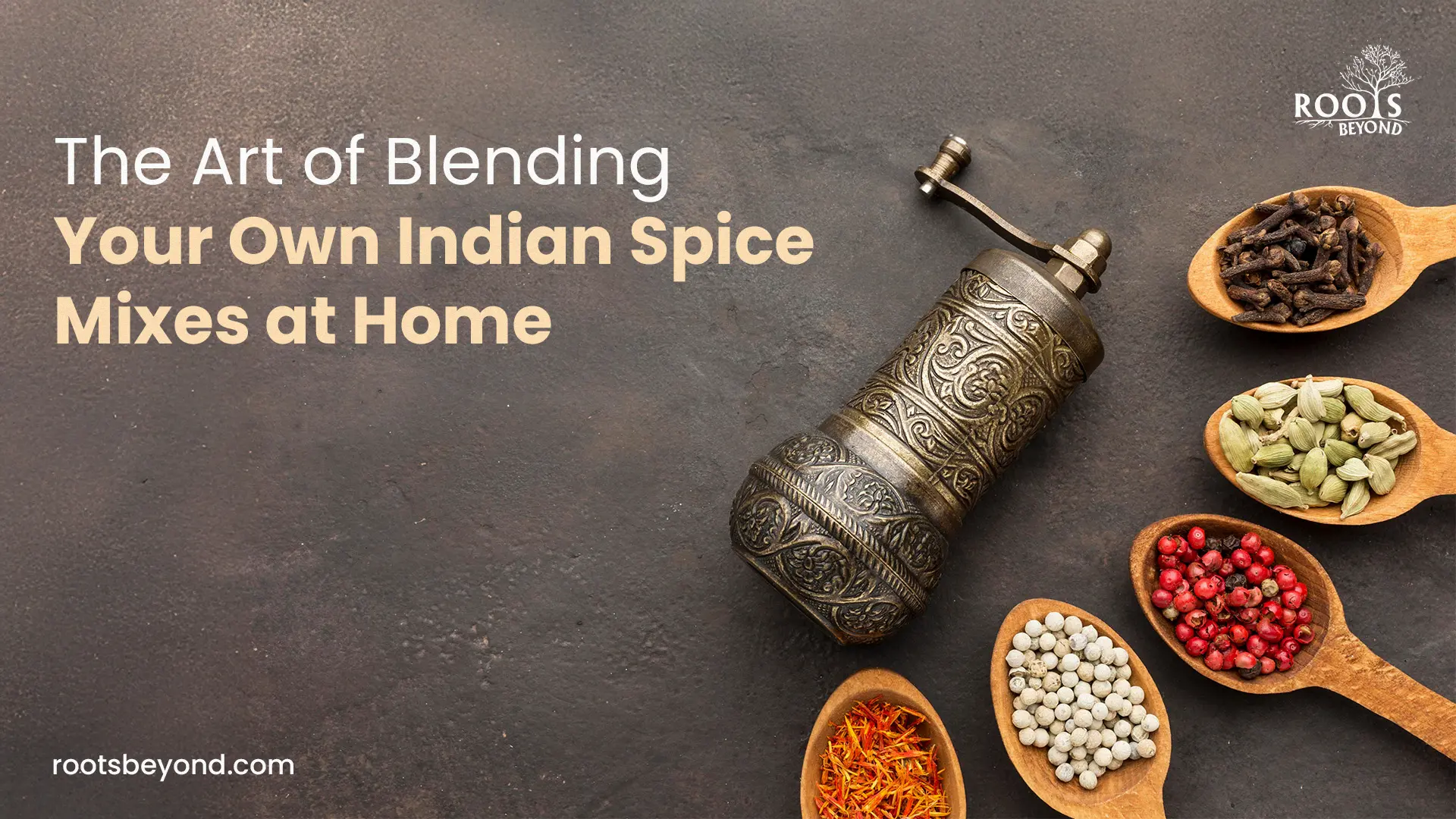
There is a quiet satisfaction in opening a jar of freshly blended masala that you made yourself. The aroma hits first, warm and layered, nothing like the flat smell of store-bought powders that have been sitting on shelves for months. Homemade blends are not just about control or tradition. They are about freshness, intent, and cooking with confidence.
For anyone who loves Indian food or wants to experiment beyond packaged seasonings, learning the art of blending spices at home changes how you cook forever. Once you understand how Indian spice blends work, even a simple dal or roasted vegetable dish begins to taste more thoughtful and personal. That’s the philosophy Roots Beyond stands for, bringing people closer to authentic Indian flavours while respecting the joy of mindful, intentional cooking.
Indian Masalas: A World of Flavor in Your Kitchen
Indian masalas are not random combinations. They are carefully balanced blends built around heat, aroma, bitterness, sweetness, and earthiness. From garam masala to sambhar powder, traditional Indian spice mixes reflect regional ingredients, climate, and cooking styles.
When you start making Indian masalas at home, you begin to notice how one spice supports another. Coriander softens heat. Cloves add sharp warmth. Cinnamon brings sweetness without sugar. This awareness naturally improves your cooking, even when you are not following a recipe.
Homemade blends also allow you to customize flavor intensity. If you prefer milder food or deeper smokiness, you can adjust ratios instead of settling for a generic mix.
Whole Spices vs Ground Spices
If you want better results, start with whole Indian spices. Entire spices retain essential oils far longer than pre-ground versions. Once spices are powdered, they begin losing aroma rapidly.
Grinding spices fresh does not mean more work every day. It means making small batches that last a few weeks and taste noticeably brighter. Whole cumin, coriander seeds, cardamom pods, cloves, and dried chilies form the foundation of most Indian spice blends.
Pre-ground spices can still be useful for convenience, but when flavor matters, whole spices are the better choice. Many home cooks who upgrade to premium Indian spices notice that they use less quantity because the intensity is higher.
Toasting and Grinding - The Secret to Deep Aroma
One of the most overlooked spice blending techniques is dry roasting. Gently toasting spices before grinding wakes up their oils and deepens complexity. This step takes minutes but makes a dramatic difference.
Heat a heavy pan on low, add whole spices, and stir constantly. The goal is warmth, not burning. Once the spices become fragrant, remove them immediately and let them cool before grinding.
A small mixer grinder or spice grinder works well for home use. Grinding in short pulses prevents overheating and keeps flavors intact.
This step alone often separates average blends from exceptional ones.
Balancing Heat, Sweetness, and Earthiness in Your Blends
Good Indian spice blends are about balance, not heat. Chilies add fire, but too much overwhelms other flavors. Coriander, cumin, and fennel bring earthiness and sweetness that round out spice mixes.
Think in layers. Start with base spices like coriander and cumin. Add warmth from cinnamon, cloves, or cardamom. Finish with heat from chilies or pepper.
A helpful mental check is this. If your blend smells sharp and one-dimensional, it likely needs balance. If it smells warm and inviting, you are on the right track.
Classic Homemade Indian Spice Mixes to Try
If you are new to blending, start simple.
Garam masala is an excellent first blend. It typically includes cloves, cinnamon, cardamom, cumin, and black pepper. Each household version differs slightly, which is part of its charm.
Sambhar powder introduces lentils, dried chilies, coriander seeds, and fenugreek, offering complexity and depth.
Chaat masala leans tangy and sharp, using dried mango powder and black salt, showing how spice mixes can enhance even fruit or snacks.
Learning how to make Indian masalas like these builds intuition that transfers to custom spice blends later.
Storage Tips for Long-Lasting Spice Potency
Even the best blends lose power if stored poorly. Keep spices in airtight containers away from heat and sunlight. Avoid storing them above the stove.
Glass jars work better than plastic. Label blends with dates so you know when they were made. Most homemade Indian spice blends stay fresh for two to three months when stored correctly.
Grinding in smaller quantities ensures every dish benefits from peak flavor.
Common Mistakes When Blending Spices
Many beginners roast spices on high heat, causing bitterness. Others grind spices while they are still warm, leading to clumping and moisture issues.
Another common mistake is overcomplicating blends. More spices do not always mean better flavor. Often, three or four well-balanced ingredients outperform an overcrowded mix.
Lastly, ignoring quality matters. Even perfect ratios cannot fix stale spices.
Where to Buy Authentic Indian Spices for Blending
Finding quality ingredients is essential. Look for stores that stock fresh inventory and offer whole spices. Indian grocery stores usually rotate stock faster than general supermarkets.
Choosing premium Indian spices ensures better aroma and longer shelf life. For readers who enjoy experimenting, sourcing whole spices locally also opens opportunities to explore regional ingredients not found in standard spice aisles.
You can also explore curated selections that focus on traditional Indian spice mixes and blending essentials, especially if consistency matters to you.
Example
While cooking vegetable curry every week. It tastes fine, but nothing special. One weekend, you lightly toast coriander seeds, cumin, and dried chilies, grind them fresh, and use that mix instead of store-bought powder.
The difference is immediate. The curry smells warmer and more inviting. You actually need less spice, yet the flavor stays on the palate longer. Someone at the table asks what you did differently. That small moment captures the real magic of fresh spice blending in everyday cooking.
Conclusion
Learning the art of blending spices is not about perfection. It is about curiosity and gradual improvement. Once you understand how Indian spice blends work, cooking becomes more intuitive and rewarding.
If you are serious about flavor and want full control over what goes into your food, start small. Invest in whole spices, practice simple blends, and adjust based on taste.
For those looking to elevate their kitchen experience, Roots Beyond offers access to quality Indian masalas, thoughtfully curated spice blends, and authentic ingredients that support mindful, confident cooking. Fresh spices do not just change recipes. They change how you feel about cooking.
Ready to upgrade your spice cabinet? Discover authentic, premium Indian spices and carefully selected blends from Roots Beyond, crafted to help you cook with confidence and depth. Start blending better flavors today.
FAQs
Which Indian spices are easiest for beginners to start with?
Turmeric, cumin, coriander, and garam masala.
How do I know which spice combinations work best?
Start by pairing earthy spices like cumin with tomato-based dishes and citrusy spices like coriander with lighter foods.
Are whole spices better than ground spices for Western cooking?
Whole spices offer more aroma, but ground spices are more convenient. For beginners, ground spices are easier.
What Indian spice blends work best for quick meals?
Garam masala and mild chili powder are great all-purpose choices.
Do Indian spices pair well with vegetarian and vegan recipes?
Yes. They work exceptionally well with vegetables, legumes, and plant-based proteins.
Share via: