
Best Indian Spices for Immunity, Digestion, and Energy
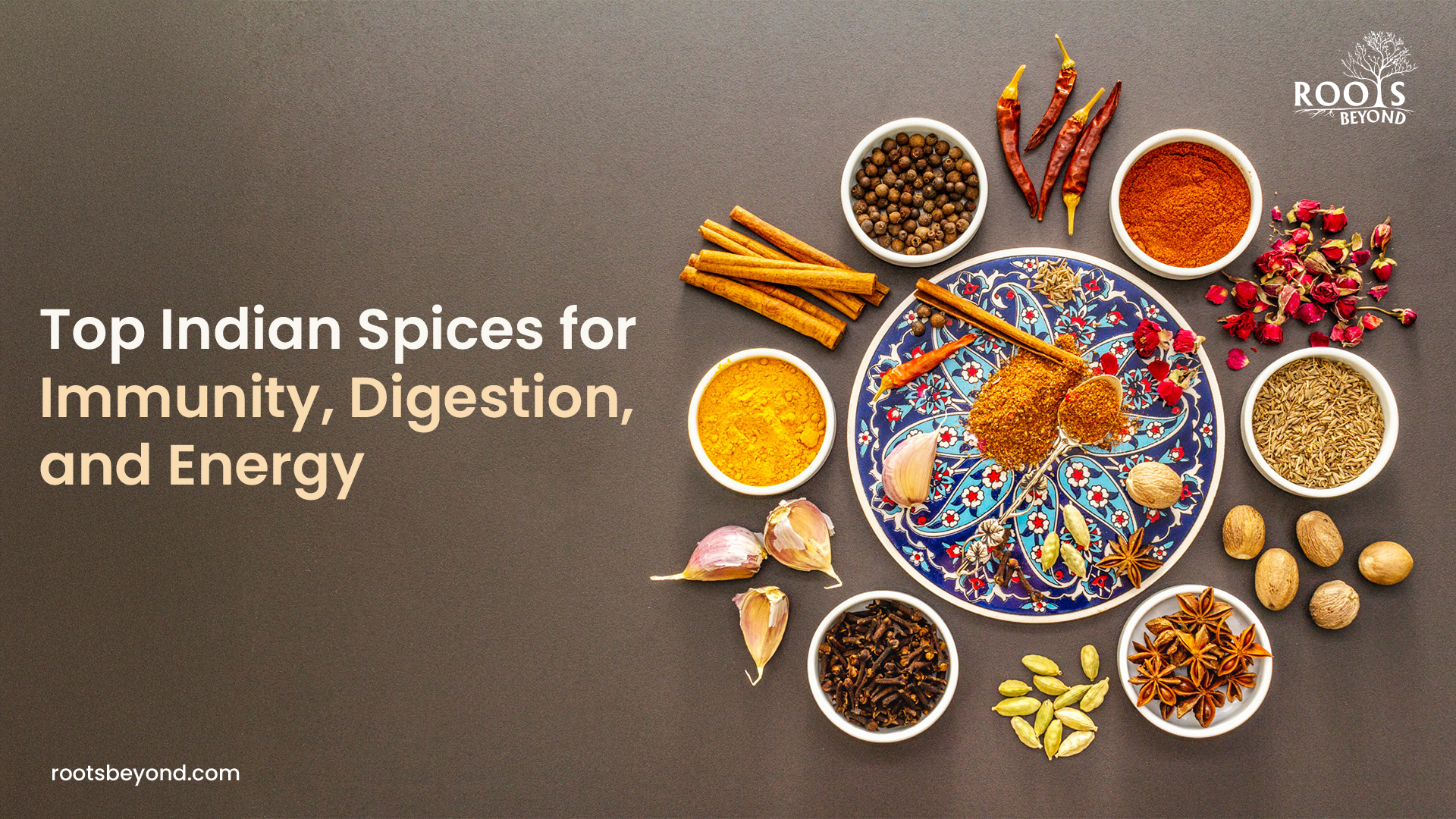
If you’ve ever wondered why Indian kitchens rely so heavily on spices, the answer goes far beyond taste. For generations, spices have been used not just for cooking, but for daily wellness. Today, as more people look for natural ways to support immunity and digestion, the spotlight is back on spices for health, and Indian spices lead the way.
If you’re trying to eat better without relying on supplements or complicated routines, everyday cooking spices can make a quiet but powerful difference. Used right, they support immunity, digestion, and steady energy, right from your daily meals.
Are Spices Healthy for You?
It’s a fair question, especially when spices are often used in small amounts. The short answer: yes, spices are healthy for you when they’re pure, well-sourced, and used consistently.
Many healthy spices contain antioxidants, anti-inflammatory compounds, and digestion-supporting properties. While they’re not magic cures, they work best as part of daily meals, making your food both flavorful and functional.
Think of spices as quiet contributors to long-term wellness rather than quick fixes.
Why Indian Spices Are Powerful for Overall Health
Indian cooking stands out because it combines food spices and seasonings in thoughtful ways. Instead of relying on one dominant flavor, Indian recipes layer spices to balance heat, aroma, and nutrition.
This is why Indian kitchens often double as wellness hubs:
- Spices support gut health.
- They help regulate metabolism.
- Many are rich in antioxidant compounds.
When people talk about the health benefits of spices, they’re often unknowingly referring to techniques perfected in Indian households over centuries.
Top Healthy Indian Spices and Their Benefits
Let’s look at some of the top healthy spices that show up repeatedly in Indian cooking, and why they matter.
Turmeric
One of the healthiest spices, turmeric is known for its antioxidant and anti-inflammatory properties. It supports immunity and overall resilience when used regularly.
Cumin
A digestion hero and one of the most essential cooking spices, cumin helps reduce bloating and improve nutrient absorption.
Coriander Seeds
Light, cooling, and excellent for digestion, coriander is among the most healthy spices for daily use.
Ginger
Often used fresh or dried, ginger supports digestion and sustained energy. It’s also a common ingredient in traditional home remedies for antibiotics, not as a replacement, but as a supportive food during recovery.
Together, these spices represent the core of spices and health benefits working hand in hand.
Top Herbs for Health Used in Indian Cooking
Spices often get the spotlight, but herbs play an equally important role. Many Indian dishes rely on top herbs for health to enhance both flavor and function.
- Tulsi (Holy Basil): One of the most beneficial herbs for health, traditionally used for immunity
- Fenugreek Leaves: Supports digestion and blood sugar balance
- Curry Leaves: Rich in antioxidants and commonly used among herbal spices
These are also counted among the most beneficial herbs when used consistently in cooking rather than as supplements.
Healthy Spice Blends You Can Use Every Day
Not everyone wants to measure individual spices daily, and that’s where blends shine. Thoughtfully prepared blends combine multiple antioxidant spices into balanced ratios.
Examples include:
- Mild garam masala for vegetables
- Digestive spice mixes for lentils
- Warming blends for rice and grains
These are essentially healthy seasonings that make everyday meals easier while still delivering benefits. If you enjoy experimenting, there are plenty of recipes for healthy spice mixtures you can try at home.
Many families also enjoy discovering new, healthful spice blends over time, especially when cooking for kids or elders.
How to Choose Organic and High-Quality Spices
The benefits of spices depend heavily on quality. Low-grade spices may contain fillers, artificial colors, or be overly processed.
When shopping for organic spices and herbs, look for:
- Clear sourcing information
- Minimal processing
- Strong aroma (a sign of freshness)
Stocking your pantry with the best cooking spices to have at home doesn’t mean buying everything at once. Start with essentials and build gradually.
Stores like Roots Beyond focus on clean sourcing and trusted brands, making it easier to choose spices that support both flavor and health.
Cooking Spices That Support Energy Naturally
Energy doesn’t always come from caffeine. Many cooking spices help maintain steady energy by supporting digestion and metabolism.
- Black pepper enhances nutrient absorption.
- Cinnamon helps regulate blood sugar.
- Cloves offer warming, stimulating properties.
These are often classified as herbal spices and show up in traditional wellness-focused cooking across India.
Used regularly, they quietly support the body without the highs and crashes of artificial stimulants.
Conclusion
Spices may seem small, but their impact adds up over time. From supporting digestion to strengthening immunity, they form the foundation of everyday wellness.
Whether you’re exploring the medicinal benefits of spices, looking for better healthy seasonings, or simply upgrading your pantry, the key is consistency and quality.
Roots Beyond makes it easier to bring trusted Indian spices into your daily cooking, helping you enjoy real food that supports real health, one meal at a time.
Because when it comes to wellness, sometimes the smallest ingredients make the biggest difference.
FAQs
Is Indian food safe for kids to eat regularly?
Yes. When prepared with mild spices and clean ingredients, Indian food can be part of a healthy daily diet for children.
Which Indian spices are best for children’s meals?
Cumin, coriander, turmeric, fennel, and cinnamon are among the best Indian spices for kids due to their mild flavor and digestive benefits.
How can I make Indian food less spicy for kids?
Avoid chilies, use smaller quantities of spices, and balance dishes with yogurt, rice, or ghee. Stick to mild Indian spices.
At what age can kids start eating Indian food?
Soft, lightly spiced Indian foods can be introduced as early as 8–10 months, depending on pediatric guidance.
Share via: