
Beginner’s Guide to Using Indian Spices in Western Recipes
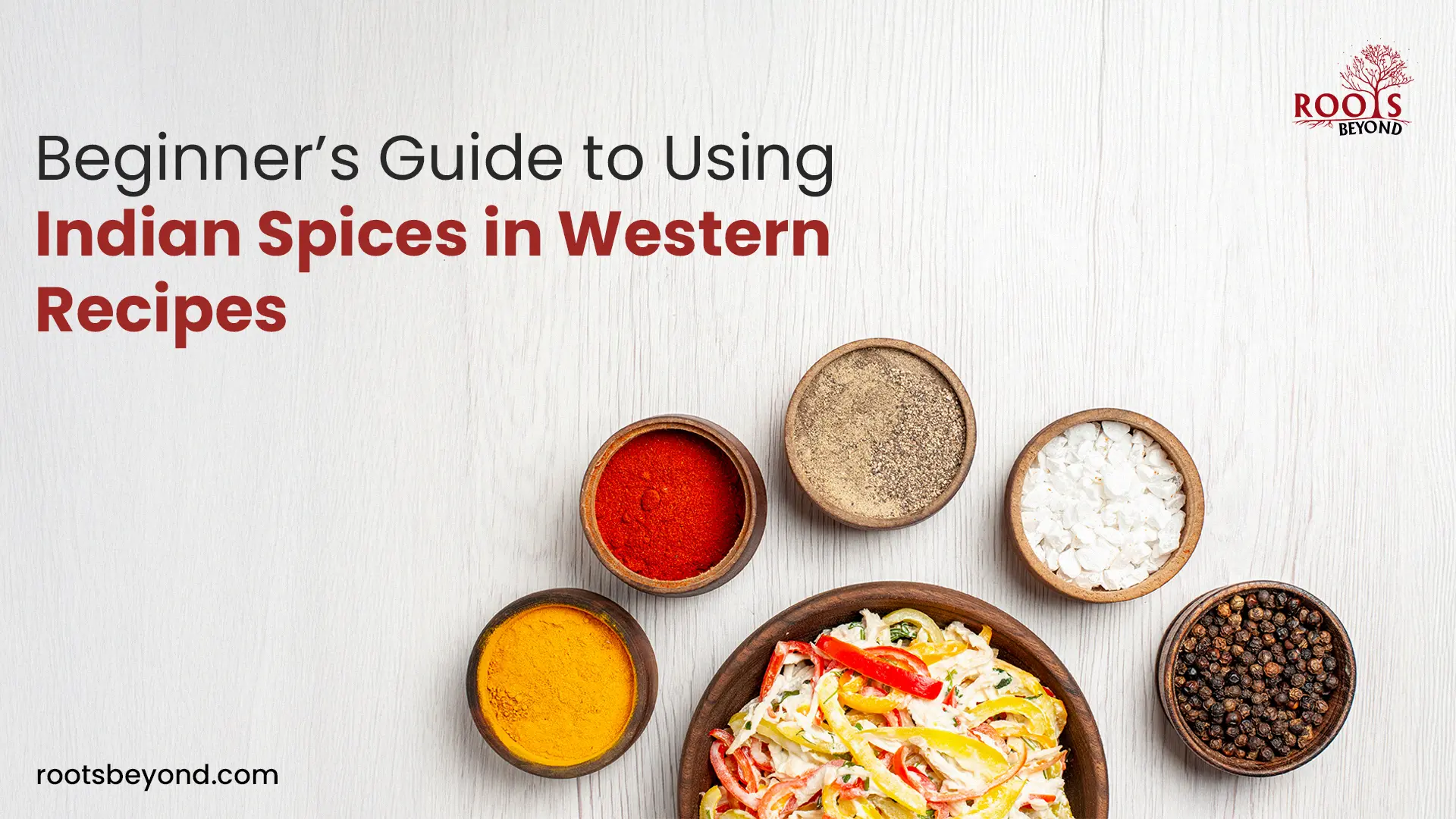
Cooking should feel like exploration. If you have ever wondered how to bring bold, warm, or aromatic notes into your daily Western meals, Indian spices can open that door. They are vibrant, versatile, and surprisingly beginner-friendly.
Understanding the Basics of Indian Spices
Indian cooking relies on layers of flavor created through spices used in different stages of cooking. Some spices go in early to infuse the oil. Others are sprinkled at the end for aroma or brightness. Understanding how they behave is what makes them easy to adapt to Western recipes.
Many readers assume Indian food seasoning is always spicy hot. In reality, spices used in Indian cooking fall into categories that offer warmth, sweetness, citrusy sharpness, or earthy depth. When you blend them correctly, they can elevate soups, grills, pasta dishes, and even salads.
Essential Indian Spices Every Beginner Should Know
If you are starting, think of this as your starter pack of essential Indian spices.
- Turmeric
Bright yellow, mild in flavor, and filled with health benefits. It works beautifully in roasted vegetables or Western-style stews.
- Cumin
Smoky and earthy. It is one of the most common Indian spices and fits into nearly every cuisine.
- Coriander
Light, citrusy, and gentle. Great for marinades, salad dressings, or seasoning grilled chicken.
- Garam Masala
A popular Indian spice blend that includes cinnamon, cloves, peppercorns, and cardamom. A pinch added at the end of cooking boosts aroma instantly.
- Red Chili Powder
Used for heat, but available in mild forms too. Beginners often prefer Kashmiri chili for color without intense heat.
These spices are widely available across the USA. If you want higher quality or chemical-free options, you can explore suppliers that offer organic Indian spices or custom spice blends.
How Indian Spices Add Depth and Flavor to Western Dishes
Western cooking often focuses on herbs, while Indian cuisine spices rely heavily on aromatic seeds, roots, and blends. When you combine the two worlds, you get flavors that feel familiar yet exciting.
For example, cumin adds depth to chili con carne. Turmeric brings warmth to creamy soups. Garam masala boosts a simple mushroom sauce. These spices used in Indian food complement Western base flavors rather than overpowering them.
Simple Ways to Blend Indian Spices Into Everyday Meals
The easiest method is to start small. Even half a teaspoon can make a difference.
- Roasted vegetables
Toss potatoes, carrots, or cauliflower with olive oil, turmeric, and cumin. Roast until crispy.
- Pasta sauces
Add coriander powder and a pinch of garam masala to tomato-based sauces for a richer profile.
- Eggs and breakfast
A tiny amount of chili powder or cumin in scrambled eggs enhances flavor without making it taste Indian.
- Salad dressings
Whisk coriander powder into a lemon vinaigrette for a bright twist.
These quick additions introduce you to Indian seasoning in a comfortable way.
Western Recipes That Pair Well With Indian Spices
Some dishes naturally welcome spices used in Indian cooking because their base flavors match the warmth or acidity of Indian cuisine spices.
- Grilled chicken
Use a simple marinade of yogurt, coriander, and chili powder.
- Creamy soups
Turmeric and cumin lift the flavors of pumpkin, potato, or cauliflower soups.
- Burgers
Mix garam masala into the patty for extra depth.
- Roasted fish
A light dusting of coriander and black pepper works surprisingly well with salmon.
- Mashed potatoes
Add a hint of turmeric and freshly ground cumin to transform it entirely.
These small changes help beginners understand which spices work best where.For More, Check Our Recipes Page.
Tips for Balancing Heat, Aroma, and Flavor
Heat does not equal flavor. Indian cooking relies on balance, not intensity.
- Start mild. Increase spice levels gradually.
- Toast whole spices for 30 seconds to release the aroma.
- Use acid, like lemon or vinegar, if a dish feels too heavy.
- Never add garam masala early. Add it near the end for fragrance.
Example:
Imagine you are making a classic roasted tomato soup. You add one teaspoon of cumin and half a teaspoon of coriander. After blending, you feel the flavor is earthy but slightly dense. A squeeze of lemon instantly brightens the soup and balances the profile. This is the simplest way to correct seasoning in Indian spice-based cooking.
Common Mistakes Beginners Make With Indian Spices
Here are a few pitfalls to avoid when experimenting with common Indian spices.
- Adding too much at once
Indian spices are potent and should be used in small amounts.
- Burning whole spices
If the oil is too hot, they burn quickly and taste bitter.
- Using old spices
Dull spices affect the overall flavor profile.
- Ignoring spice layering
Adding all spices at the beginning removes the aroma that should appear at the end.
Avoiding these mistakes makes a huge difference in how your dishes turn out.
How to Store Spices for Freshness and Aroma
To maintain the intense aroma of popular Indian spices, keep them in airtight jars away from sunlight. Whole spices last longer than ground varieties. Ground spices should be replaced every six to eight months for the best flavor. If you use custom spice blends, check for packaging dates and choose suppliers who follow proper processing standards.
Conclusion
If you’re exploring high-quality options for your kitchen, discover our premium collections of Whole Indian Spices, Ground Indian Spices, Organic Indian Spices, and Custom Spice Blends—carefully sourced to elevate your everyday meals with Roots Beyond Today. Experience authentic flavors crafted for modern kitchens by visiting our Premium Indian Spices collection.
Have questions or are you looking for a custom spice solution? Feel free to get in touch with us, our team would love to help you find the perfect spices for your culinary needs.
FAQs
Which Indian spices are easiest for beginners to start with?
Turmeric, cumin, coriander, and garam masala.
How do I know which spice combinations work best?
Start by pairing earthy spices like cumin with tomato-based dishes and citrusy spices like coriander with lighter foods.
Are whole spices better than ground spices for Western cooking?
Whole spices offer more aroma, but ground spices are more convenient. For beginners, ground spices are easier.
What Indian spice blends work best for quick meals?
Garam masala and mild chili powder are great all-purpose choices.
Do Indian spices pair well with vegetarian and vegan recipes?
Yes. They work exceptionally well with vegetables, legumes, and plant-based proteins.
Share via: